Building on-Farm Resilience to Climate Change
Home - GCF Project - Component Two
Component 02
Activities and Expected Outcomes
2.1: Improving Practices for Climate Resilience.
Activity 2.1.1: Development and Improvement of Training Materials.
Activity 2.1.2: Setting up Project Demonstration Plots and Adaptive Research.
Activity 2.1.3: Development of CRA and OFWM Practice Repository – Pakistan Climate Agriculture Information System (PCAIS).
2.2: Training of Trainers on CRA and OFWM.
Activity 2.2.1: Staff Training.
Activity 2.2.2: Training of Trainers (ToT) on CRA and OFWM Practices.
2.3. Developing Farmers’ Capacity to Transform Agriculture Practices with CRA and OFWM.
Activity 2.3.1: Climate and Business Field Schools.
Activity 2.3.2: Women Open Schools.
Activity 2.3.3: Farmer Training on Partners’ Demonstration Plots.
Activity 2.3.4: Field Days at CBFSs, WOSs and Demonstration Plots
A pathway to climate-resilient agriculture
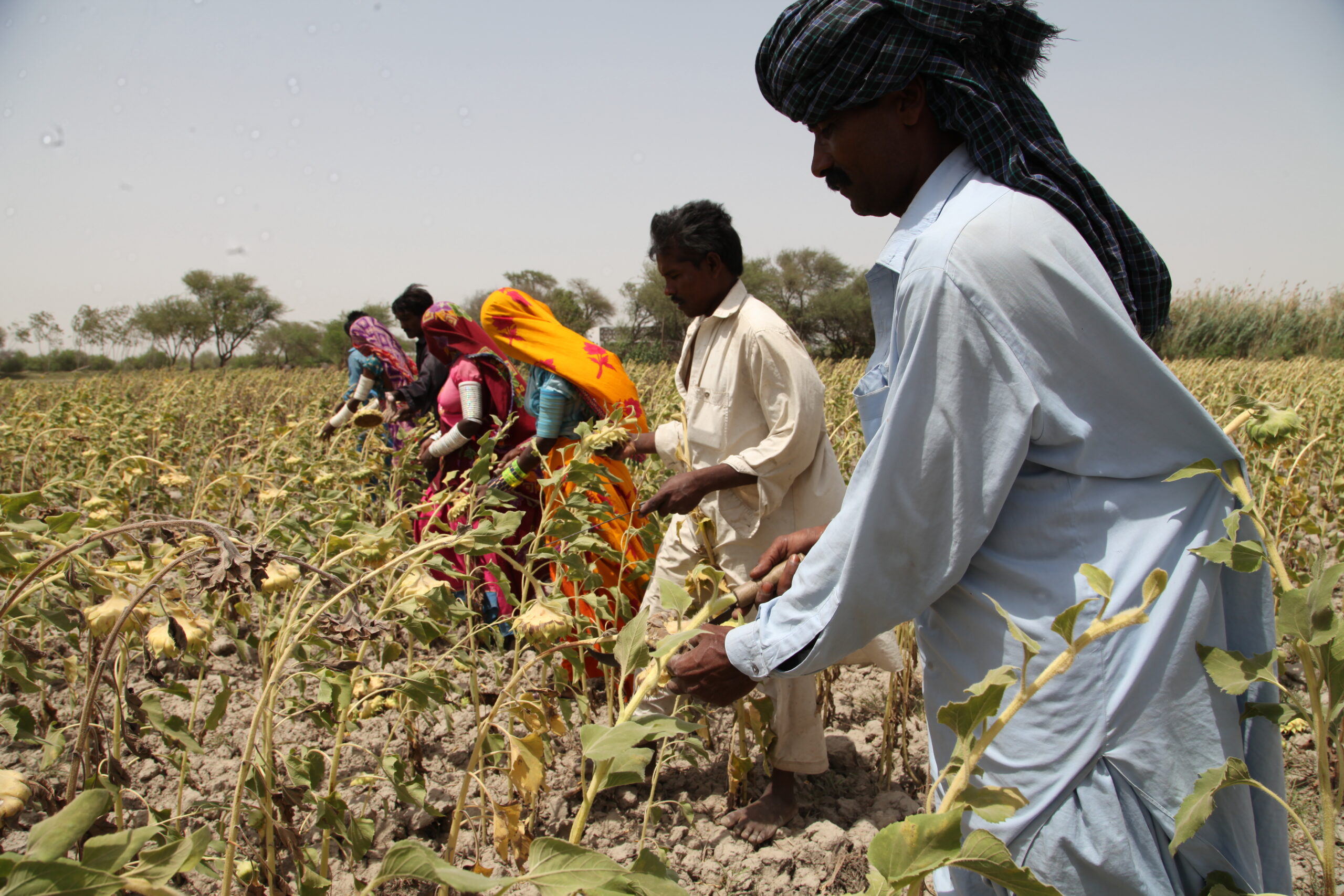
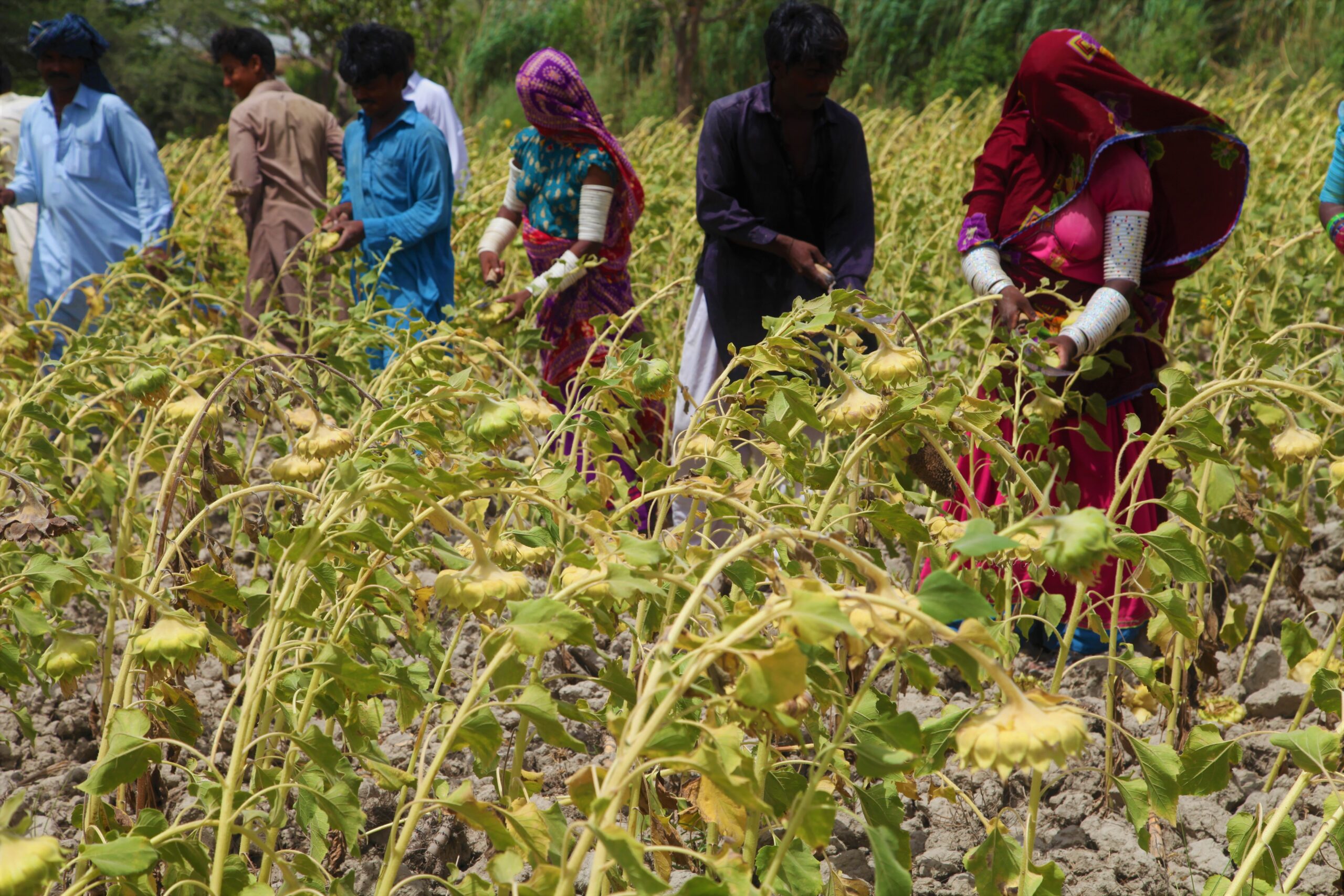
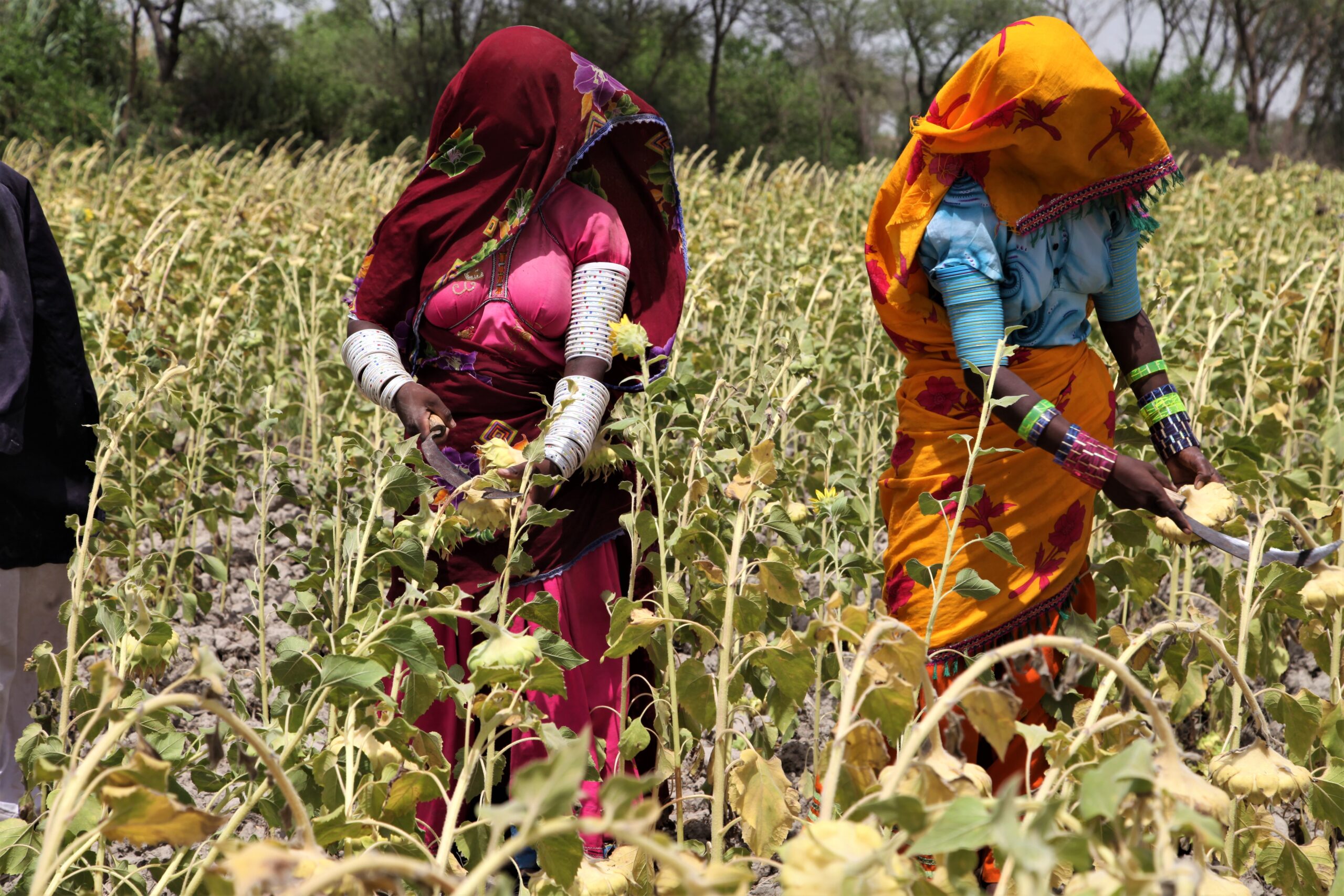
Climate-resilient agriculture (CRA) is a set of agricultural practices and technologies that help farmers to adapt to climate change and reduce the risks associated with extreme weather events. CRA practices include:
- Crop diversification
- Water conservation
- Soil management
- Integrated pest management
On-farm water management (OFWM) is a set of practices and technologies that help farmers to use water more efficiently and sustainably. OFWM practices include:
- Drip irrigation
- Sprinkler irrigation
- Mulching
- Rainwater harvesting
The ACWA project is working to improve CRA and OFWM practices in the Indus Basin through a variety of activities, including:
Development and improvement of training materials
The ACWA project is developing and improving training materials on CRA and OFWM practices. These materials are used to train farmers, government officials, and other stakeholders on how to implement CRA and OFWM practices.
Setting up project demonstration plots and adaptive research
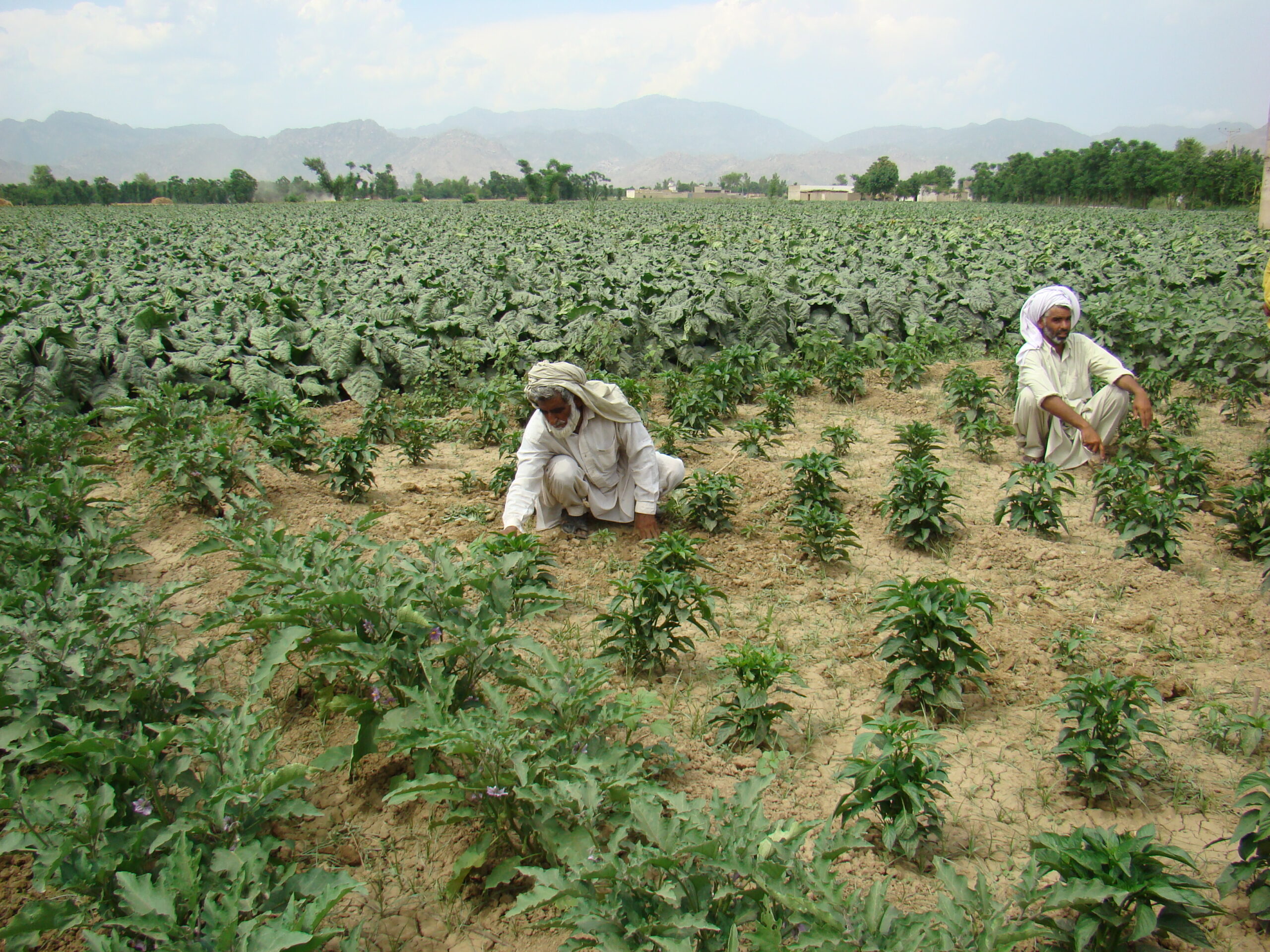
The ACWA project is setting up project demonstration plots and conducting adaptive research to test and validate CRA and OFWM practices in different agro-ecological conditions.
Development of CRA and OFWM practice repository – Pakistan Climate Agriculture Information System (PCAIS)
The ACWA project is developing a CRA and OFWM practice repository, known as the Pakistan Climate Agriculture Information System (PCAIS). The PCAIS will provide a central repository of information on CRA and OFWM practices, including training materials, research findings, and best practices.
Training of trainers on CRA and OFWM
The ACWA project is training trainers on CRA and OFWM practices. These trainers will then train farmers and other stakeholders on how to implement CRA and OFWM practices.
Developing farmers’ capacity to transform agriculture practices with CRA and OFWM
The ACWA project is developing farmers’ capacity to transform agriculture practices with CRA and OFWM through a variety of activities, including:
- Climate and Business Field Schools (CBFS): CBFSs are a type of farmer field school that teaches farmers about CRA and OFWM practices.
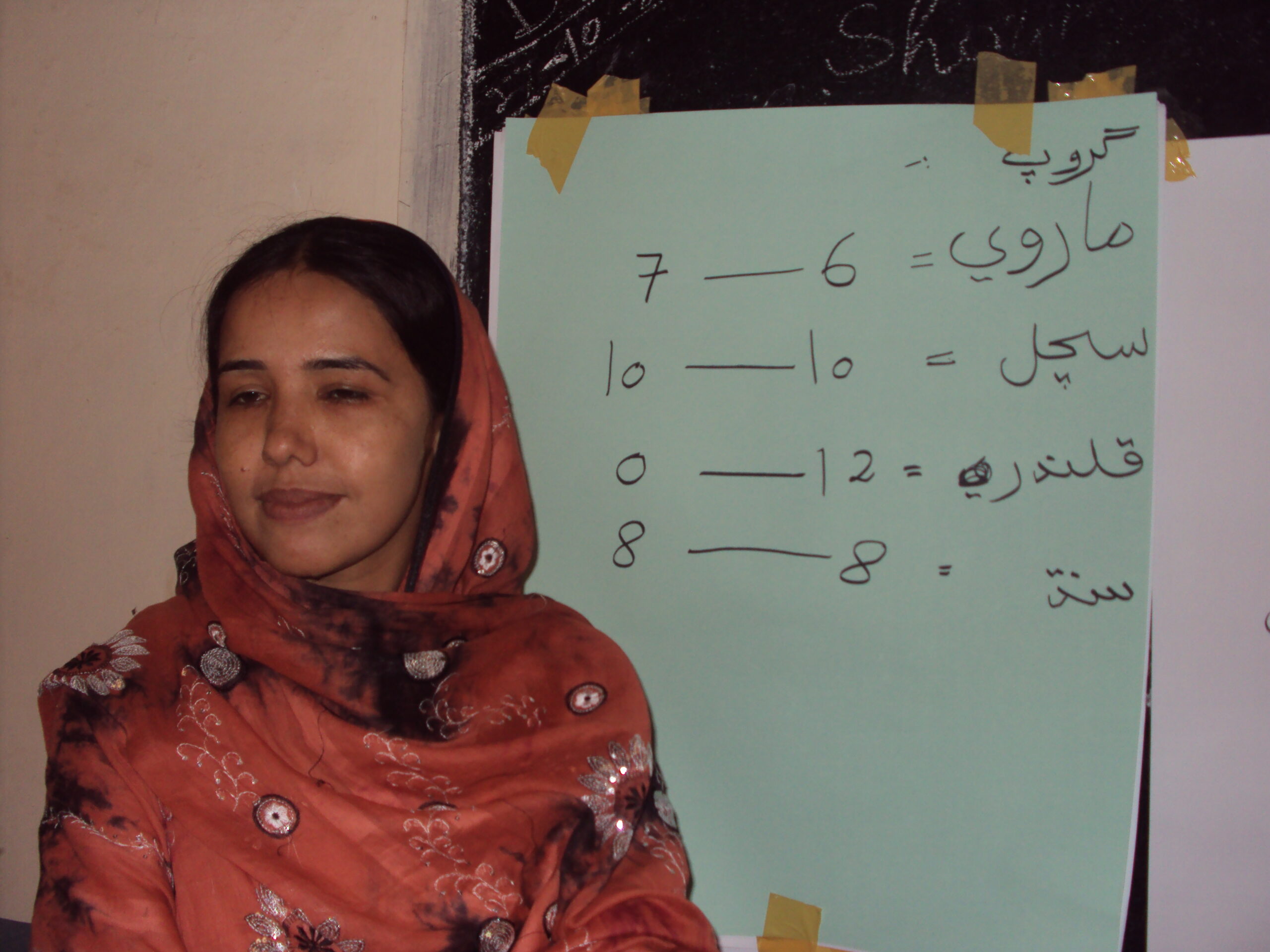
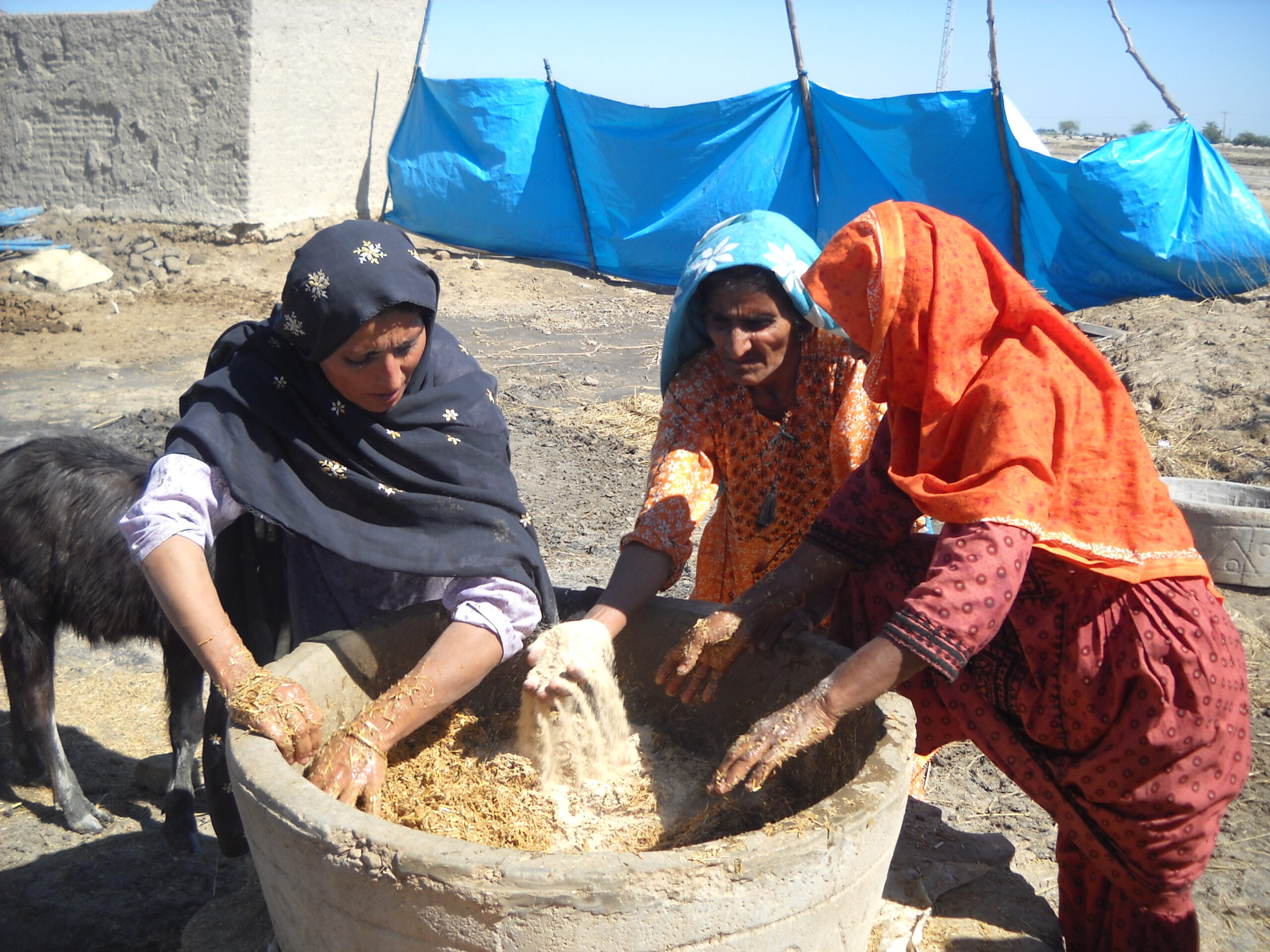
- Women Open Schools (WOS): WOSs are a type of school that provides women farmers with training on CRA and OFWM practices.
- Farmer training on partners’ demonstration plots: The ACWA project is working with partners to set up demonstration plots where farmers can learn about CRA and OFWM practices.
- Field days at CBFSs, WOSs and demonstration plots: The ACWA project organizes field days at CBFSs, WOSs and demonstration plots where farmers can learn about CRA and OFWM practices from other farmers and experts.
The ACWA project is making a real difference in the Indus Basin by improving CRA and OFWM practices. By helping farmers to adapt to climate change and use water more efficiently, the project is helping to build a more sustainable future for the region.