Project Management & Maintenance
Home - GCF Project - Component Four
Component 04
Activities and Expected Outcomes
- Project management activities encompass planning, coordination, monitoring, and evaluation, among others. They serve as the bedrock for ensuring that all investments and endeavors are efficiently and effectively carried out to achieve the project’s overarching objectives.
- The purpose of this component is to ensure the smooth implementation of all of investments and activities undertaken in components 1-3.
A bold vision for a sustainable future
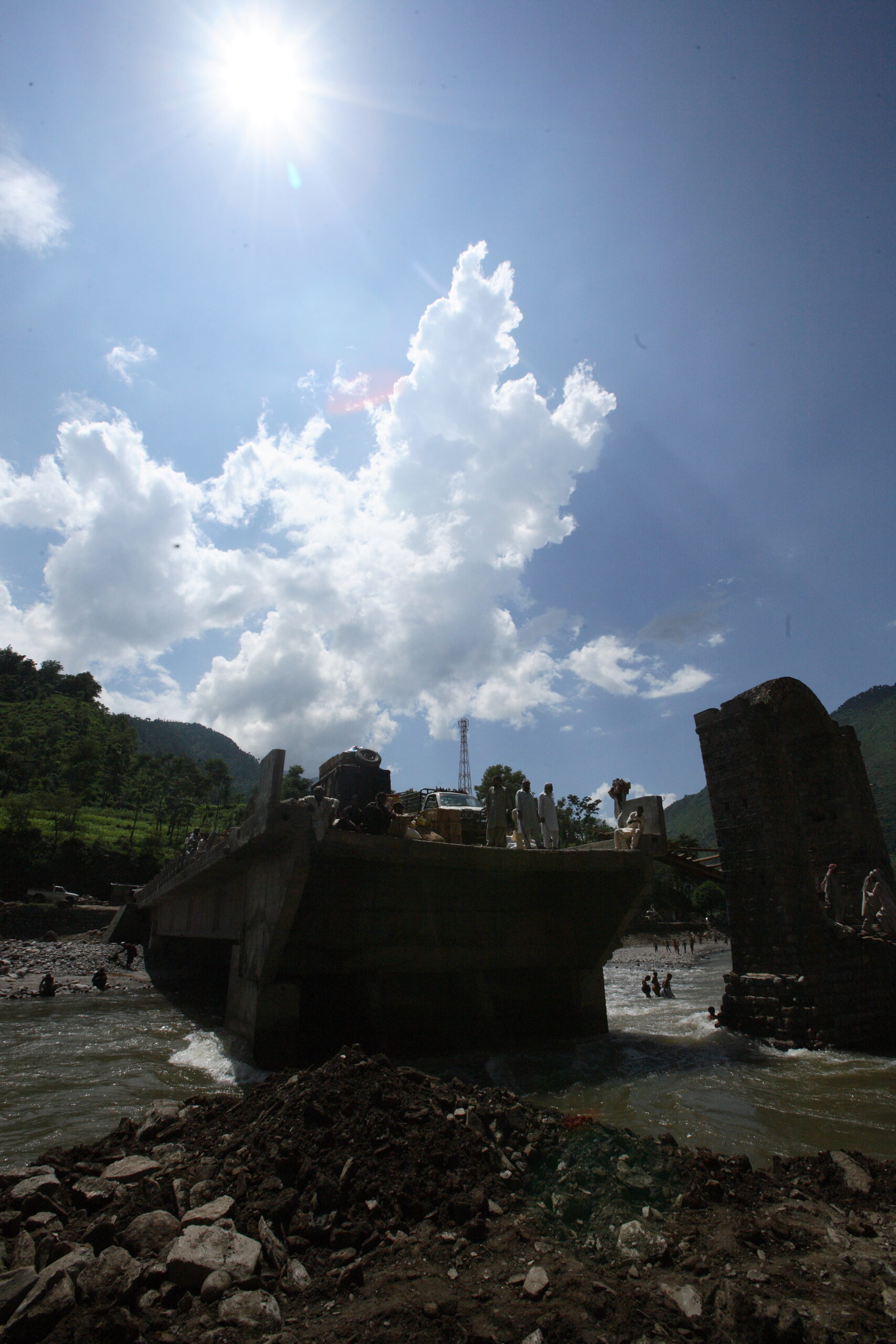
The Indus Basin is one of the most important agricultural regions in the world, but it is also one of the most vulnerable to the impacts of climate change. Extreme weather events, such as droughts, floods, and heat waves, are becoming more frequent and severe, and these events are having a devastating impact on farmers and communities.
The ACWA project is a bold vision for a sustainable future in the Indus Basin. The project aims to transform the region’s agriculture and water management systems to make them more resilient to climate change.
The ACWA project is working to:
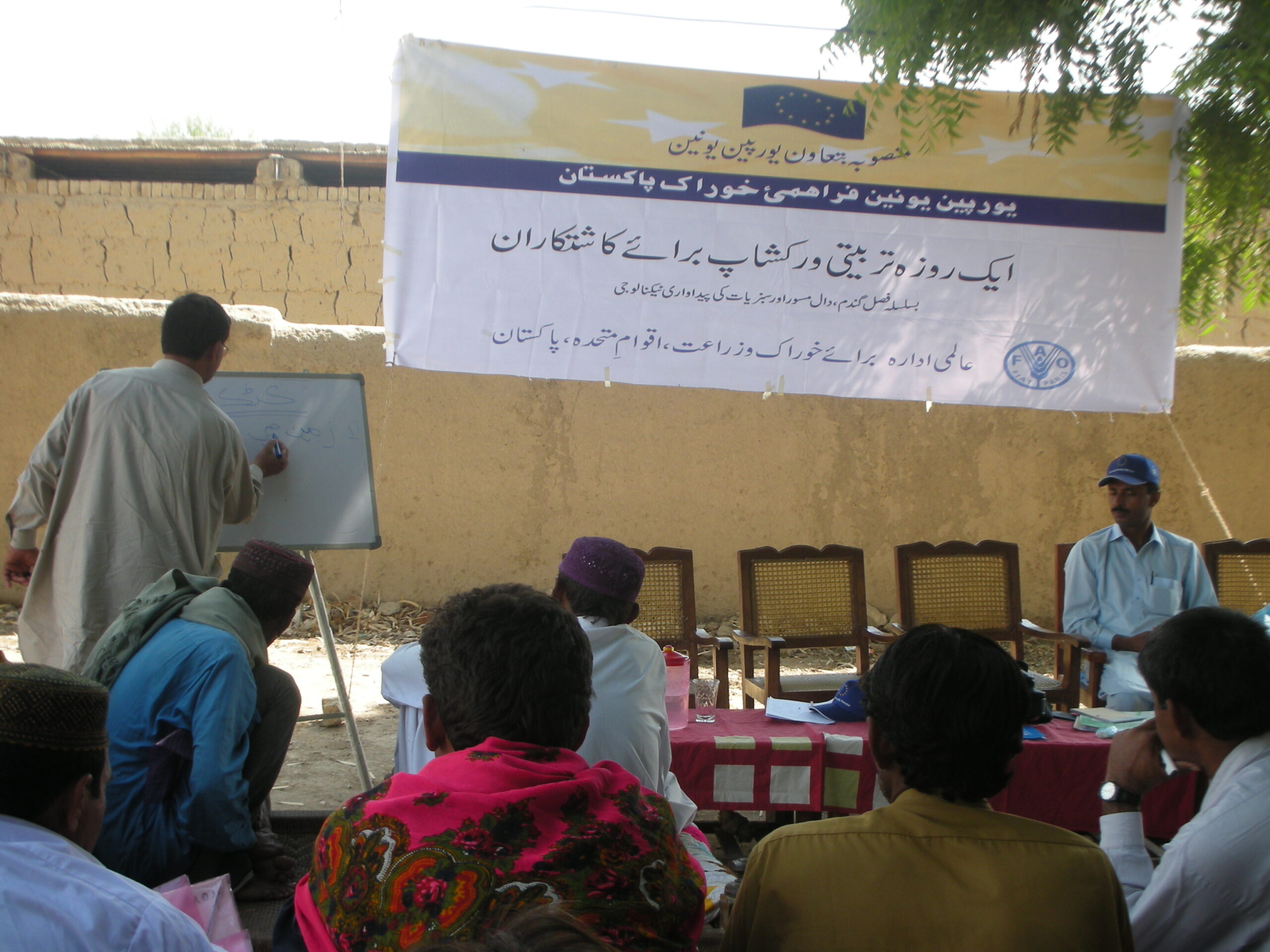
- Develop and implement climate-resilient agricultural practices
- Improve water use efficiency
- Protect and manage water resources sustainably
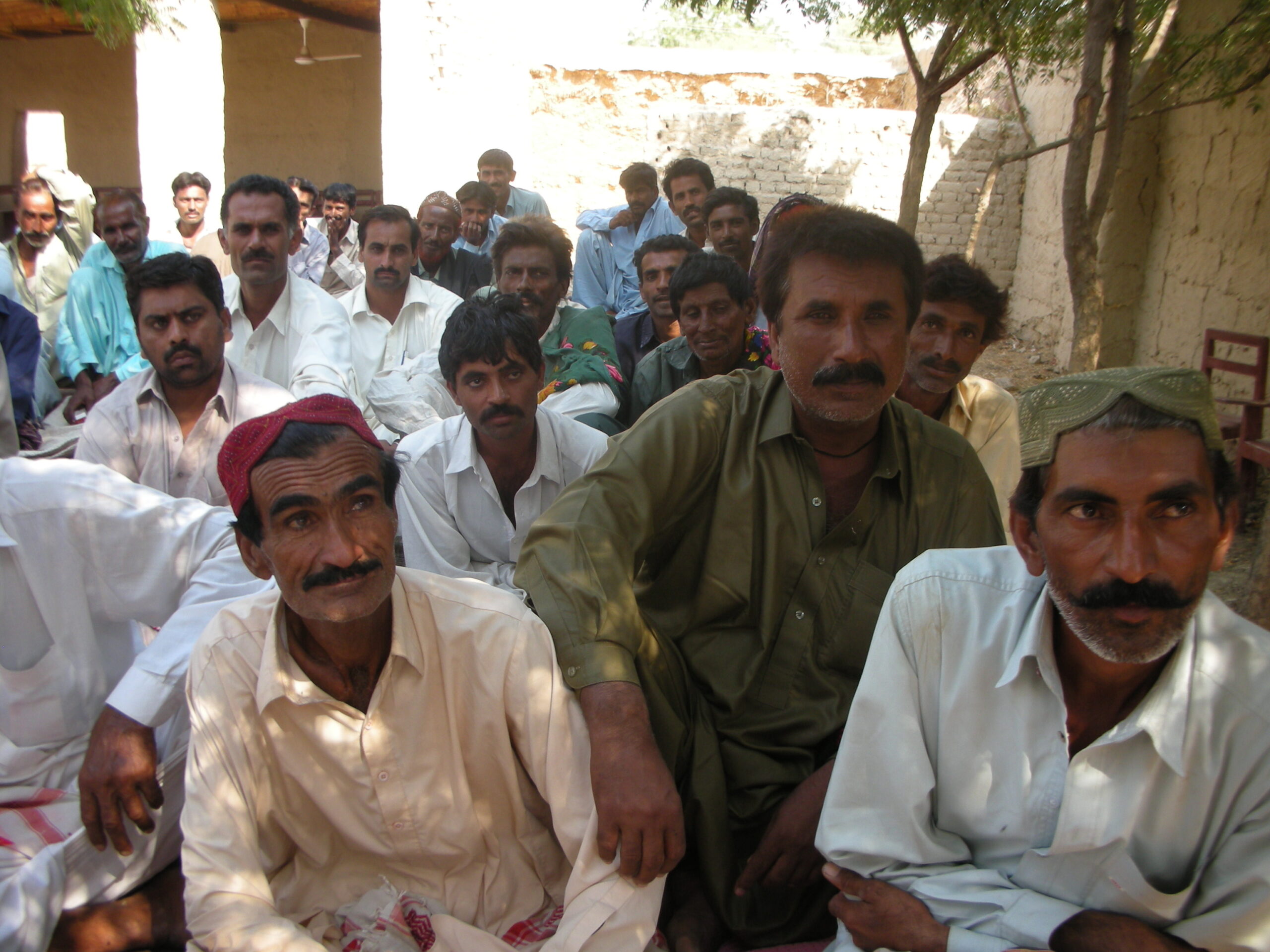
- Strengthen the capacity of stakeholders to adapt to climate change
The ACWA project is a collaboration between a wide range of stakeholders, including government agencies, research institutions, civil society organizations, and farmers. The project is funded by the Green Climate Fund.
The ACWA project is making a real difference in the Indus Basin. By transforming the region’s agriculture and water management systems, the project is helping farmers to adapt to climate change and build a more sustainable future.
Here are some examples of the ACWA project’s impact:
- Farmers are using new climate-resilient crop varieties that are more tolerant to drought and heat stress.
- Farmers are using new irrigation technologies to improve water use efficiency.
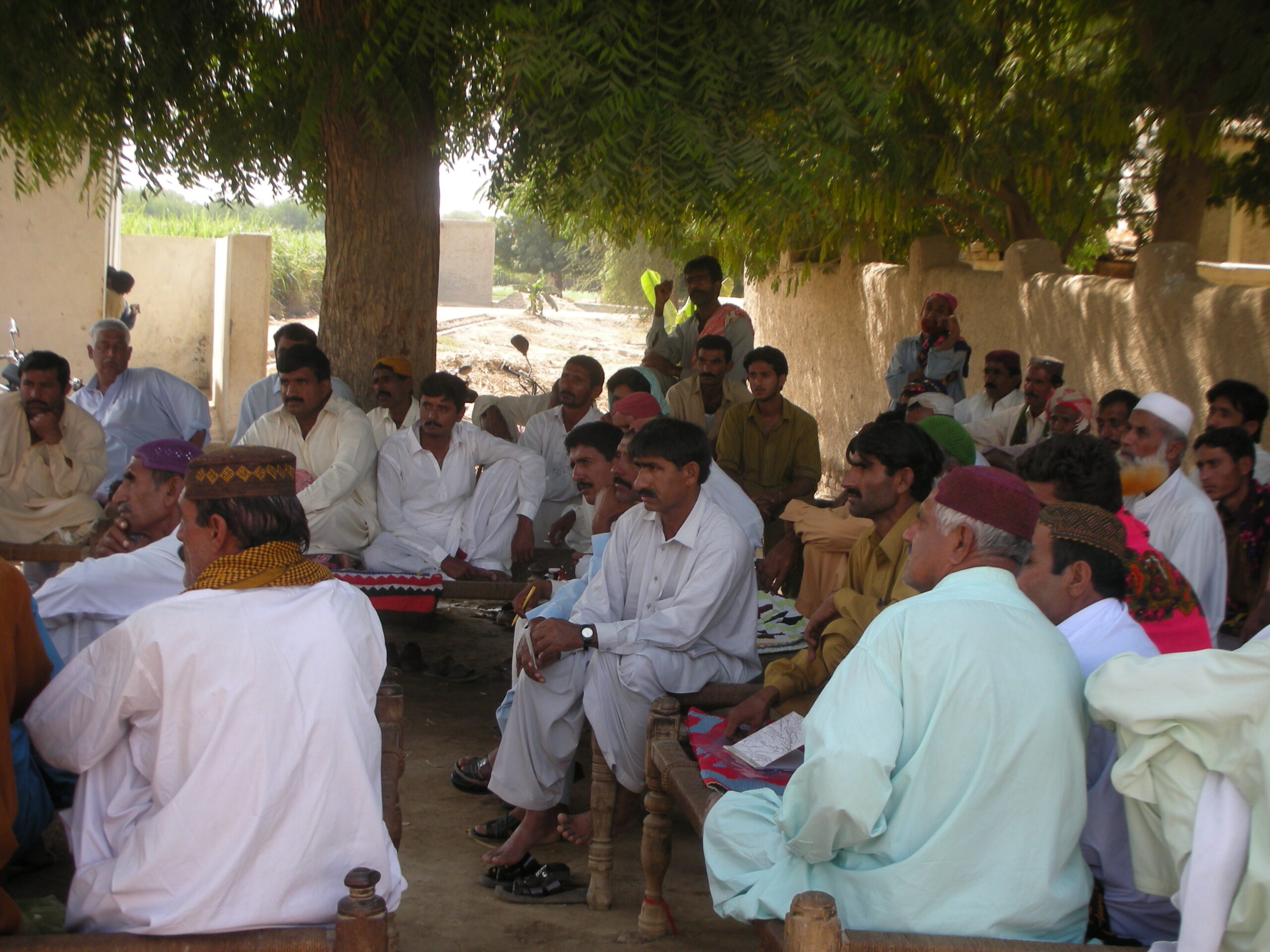
- Water user associations are working together to manage water resources more sustainably.
- Government agencies are using ACWA data and tools to make informed decisions about water allocation and management.
The ACWA project is a model for climate change adaptation in other regions of the world. By working together, stakeholders can transform agriculture and water management systems to make them more resilient to climate change and build a more sustainable future for all.